
AI Infrastructure Is Becoming a Private-Market Asset Class
Compute, power, cooling, fiber, and land are converging into a durable investment theme as AI demand moves from experimentation into production.
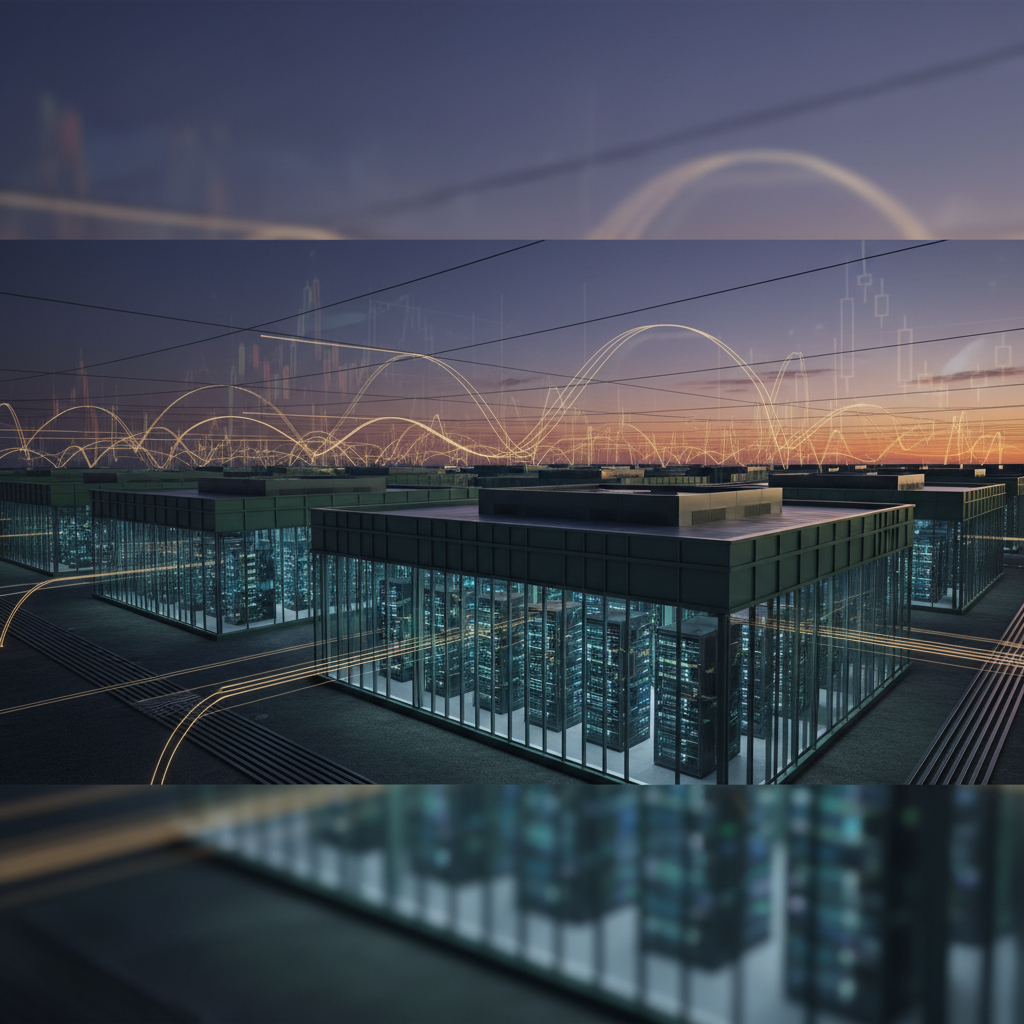
AI infrastructure is no longer just a technology budget line. It is becoming a real-asset system that touches land, power procurement, grid interconnection, water strategy, cooling design, fiber density, semiconductor supply, and long-duration capital planning. For investors, that matters because the value chain increasingly looks like infrastructure: high upfront capital intensity, location constraints, operational complexity, and multi-year demand visibility.
Stanford HAI's 2026 AI Index highlights how quickly generative AI adoption has moved through the economy, while private-market outlooks from large asset managers point to data centers, power supply, and digital infrastructure as central beneficiaries of the AI buildout. The investable question is not simply whether AI usage grows. It is where physical bottlenecks create pricing power, predictable utilization, and defensible operating rights.
The investment thesis is shifting from chips to systems
The first AI trade was dominated by model builders, GPUs, and hyperscale cloud demand. The next phase is broader. Compute clusters need substations, transmission, cooling equipment, backup generation, construction labor, land entitlements, and network access. That gives investors multiple entry points across private infrastructure, real estate, asset-backed finance, and operating platforms.
The most attractive assets may be those that solve a constraint rather than merely add capacity. A data center site with committed power, efficient cooling, and low-latency connectivity can be more valuable than a generic shell. A power developer with interconnection rights can become a key partner to AI tenants. A fiber route into constrained metro markets can behave like mission-critical infrastructure.
Risk sits in timing, concentration, and energy
The AI infrastructure cycle is powerful, but it is not risk-free. Tenants are concentrated. Technology requirements can change quickly. Local permitting can slow construction. Grid constraints can push projects into multi-year queues. Investors need underwriting discipline around counterparty quality, contracted cash flow, power availability, and exit assumptions.
AI infrastructure should be underwritten less like a theme and more like a constrained operating system.
For long-term allocators, the opportunity is to own the rails of intelligence without overpaying for hype. The winners will likely be operators that can convert capital into usable capacity faster, cheaper, and more responsibly than the market expects.