
The Compute-to-Power Bottleneck: Why Energy Is Now an AI Investment Theme
AI demand is forcing investors to evaluate electricity, grid access, and flexible load management as core parts of digital infrastructure underwriting.
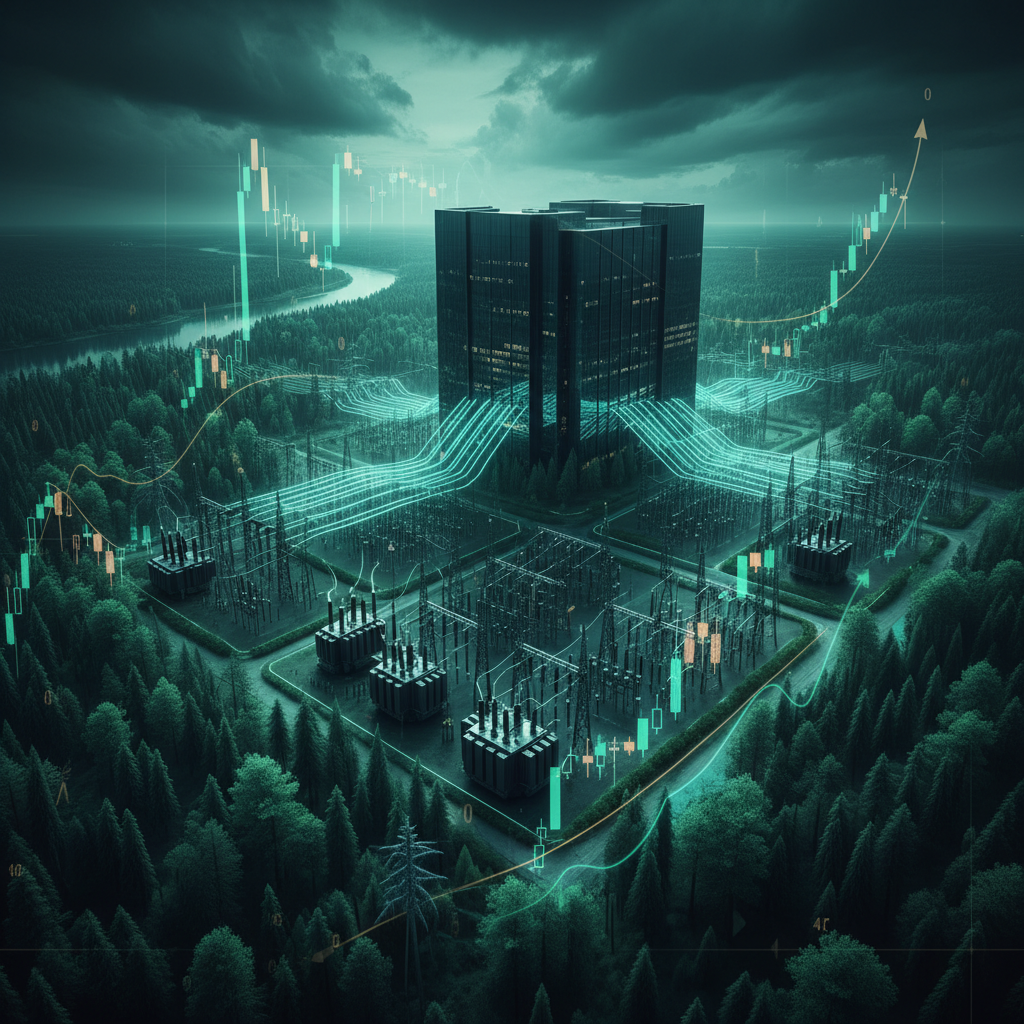
In 2026, AI investing is increasingly an energy conversation. Model training and inference require compute, but compute requires reliable power. As AI workloads scale, electricity availability can determine where data centers are built, which operators win tenants, and how much capital must flow into generation, storage, cooling, and transmission.
The U.S. Energy Information Administration's 2026 outlook points to data center server energy use as a major factor in electricity demand growth. Private infrastructure outlooks also emphasize data centers, power supply, and fiber as connected opportunities. This creates a practical underwriting shift: digital infrastructure investors now need power-market fluency.
Grid access is becoming a competitive advantage
A data center with available utility capacity can command strategic value. A site without interconnection clarity can become stranded optionality. Power purchase agreements, behind-the-meter generation, demand response, and storage are moving from sustainability footnotes into core investment workstreams.
Flexible load management may become especially important. AI facilities that can adjust consumption during grid stress could receive faster approvals, better community support, or improved economics. This turns operating sophistication into a financial edge.
What investors should diligence
Investors should evaluate interconnection timelines, utility relationships, local rate impacts, cooling needs, water access, generation mix, and political risk. They should also ask whether the tenant's workload can tolerate flexibility. Training, inference, and latency-sensitive applications have different energy profiles.
The next scarce input for AI may not be algorithms. It may be dependable megawatts in the right location.
The durable opportunity sits where digital demand and energy execution meet. Capital that understands both sides can avoid overpaying for theoretical capacity and instead back assets that become operationally indispensable.