
Industrial AI and Robotics: Productivity Beyond the Office
AI productivity is expanding into factories, logistics, inspection, maintenance, and robotics, creating opportunities outside traditional software.
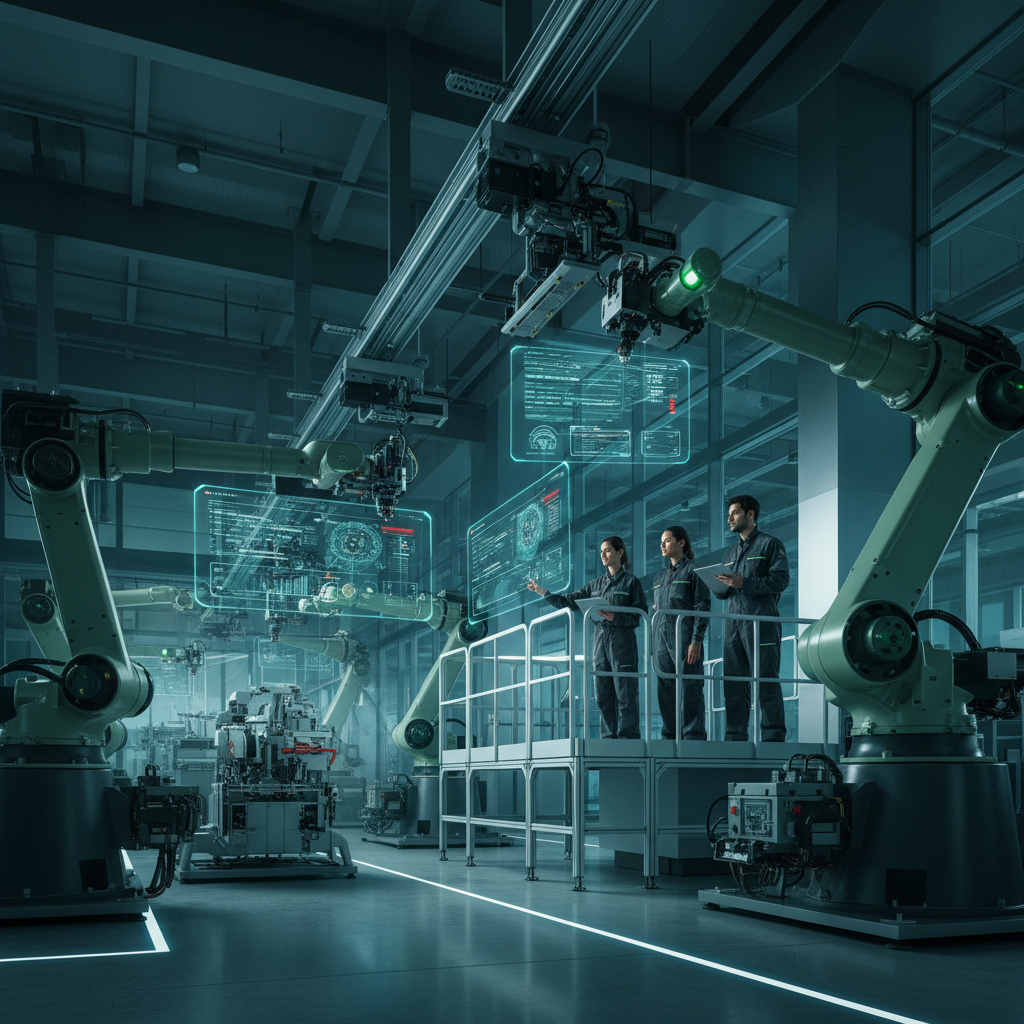
AI productivity is not limited to office work. Industrial companies are applying AI to robotics, quality inspection, predictive maintenance, logistics optimization, energy management, and digital twins. This expands the AI investment universe into manufacturing, automation, sensors, and industrial software.
The industrial opportunity can be attractive because use cases often have measurable outcomes: less downtime, higher throughput, lower scrap, better safety, and improved asset utilization. These benefits can translate directly into operating performance.
Why industrial AI is different
Industrial settings require reliability. A model that works in a demo but fails on a production line creates real cost. Successful deployment needs domain data, hardware integration, edge computing, change management, and safety controls.
This complexity can create barriers to entry. Vendors that understand industrial workflows and integrate with existing systems may build stickier relationships than generic AI tools.
The investable themes
Investors can look across robotics, machine vision, industrial data platforms, automation integrators, sensor providers, and specialized software. They should focus on return on investment, deployment time, service attach rates, and customer concentration.
Industrial AI becomes valuable when it changes throughput, not when it produces a better demo.
As companies search for productivity gains beyond headcount reduction, industrial AI may become one of the more practical ways technology meets the real economy.