
Semiconductors Beyond GPUs: The Hidden AI Supply Chain
AI infrastructure depends on memory, networking, power management, cooling, and advanced packaging, expanding the semiconductor investment map.
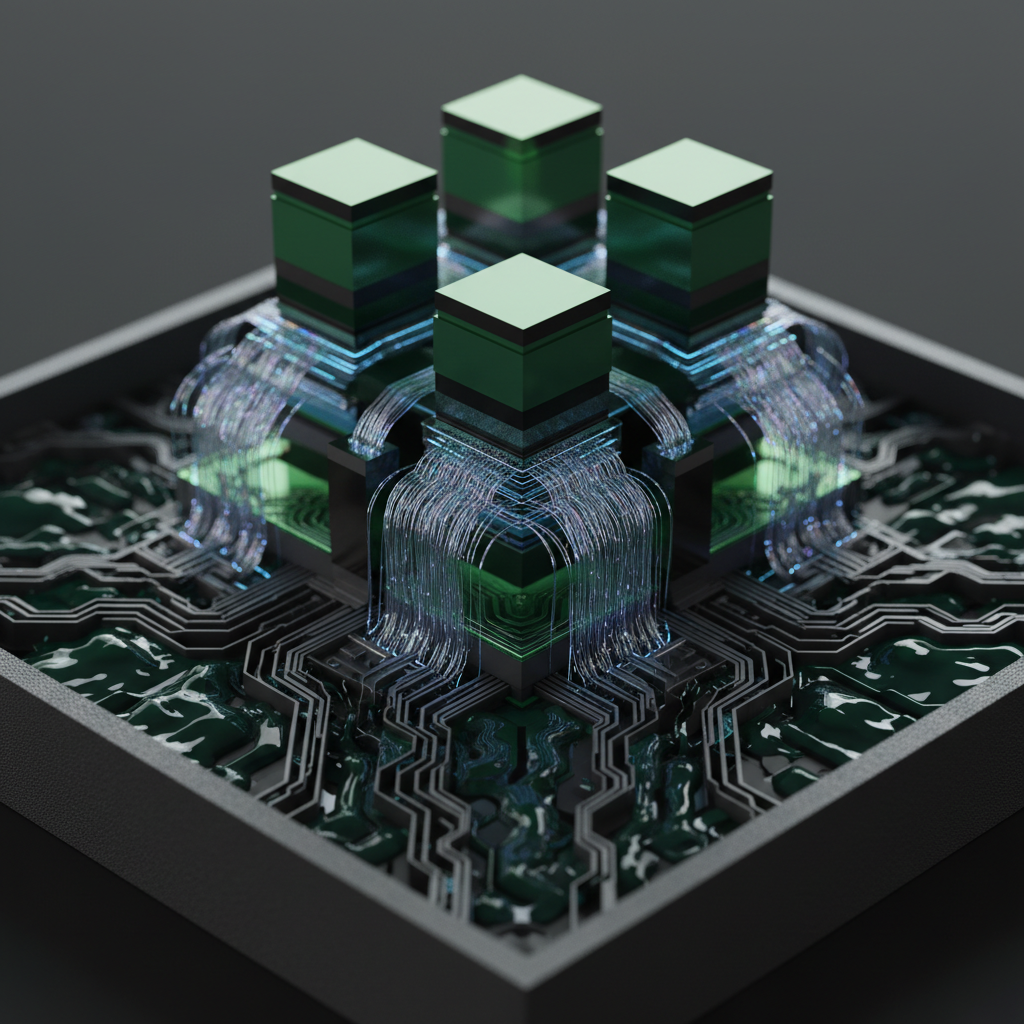
The AI semiconductor story is often reduced to GPUs. That is understandable, but incomplete. AI systems require high-bandwidth memory, networking silicon, power management, advanced packaging, storage, optics, cooling components, and specialized manufacturing capacity.
For investors, this wider supply chain matters because bottlenecks can migrate. When GPU availability improves, memory bandwidth or networking capacity may become the constraint. When hardware ships, power and cooling can become the next limiter. The AI stack is only as strong as its tightest constraint.
Why the hidden supply chain matters
AI workloads move massive amounts of data between chips. That makes memory, interconnects, and packaging critical. Training clusters and inference systems also require reliable power delivery and thermal management. These components may not have the same public visibility as flagship processors, but they can carry strong strategic value.
Investors should also consider cyclicality. Semiconductor supply chains can overshoot demand when capacity expansions arrive late in the cycle. The best businesses tend to have durable technical advantages, customer qualification, and pricing power tied to mission-critical performance.
A better diligence lens
Rather than asking only who sells AI chips, ask which companies solve bandwidth, power, latency, and heat. Ask where customers face switching costs. Ask which components become more valuable as models become larger or inference becomes more distributed.
The AI semiconductor map is wider than the chip that gets the headline.
In 2026, investors may find differentiated opportunities by studying the less visible layers of the compute supply chain.